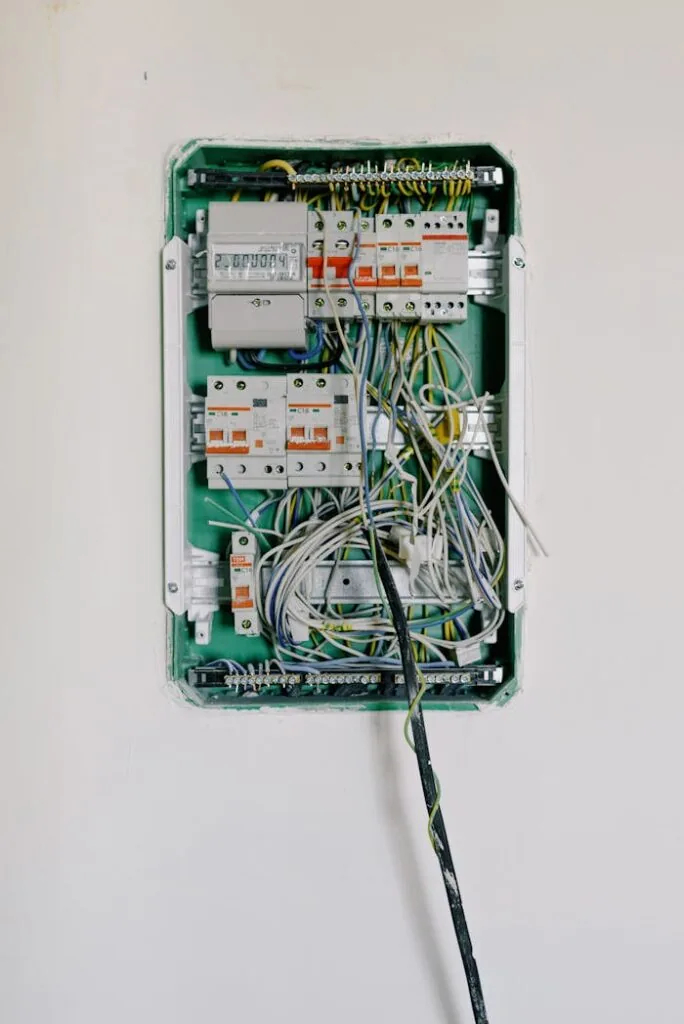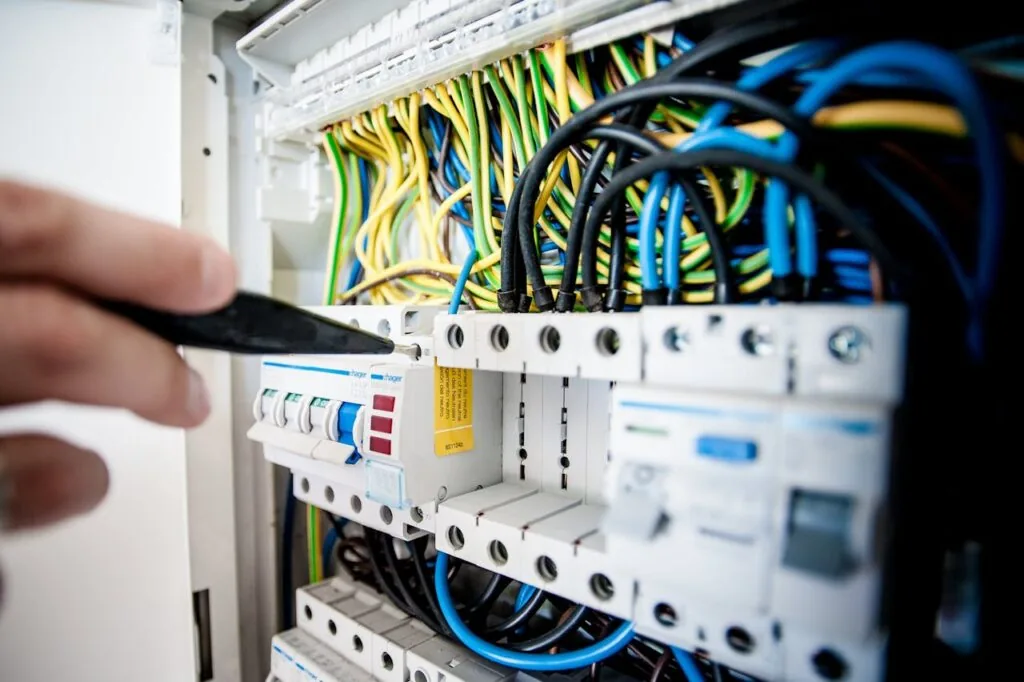
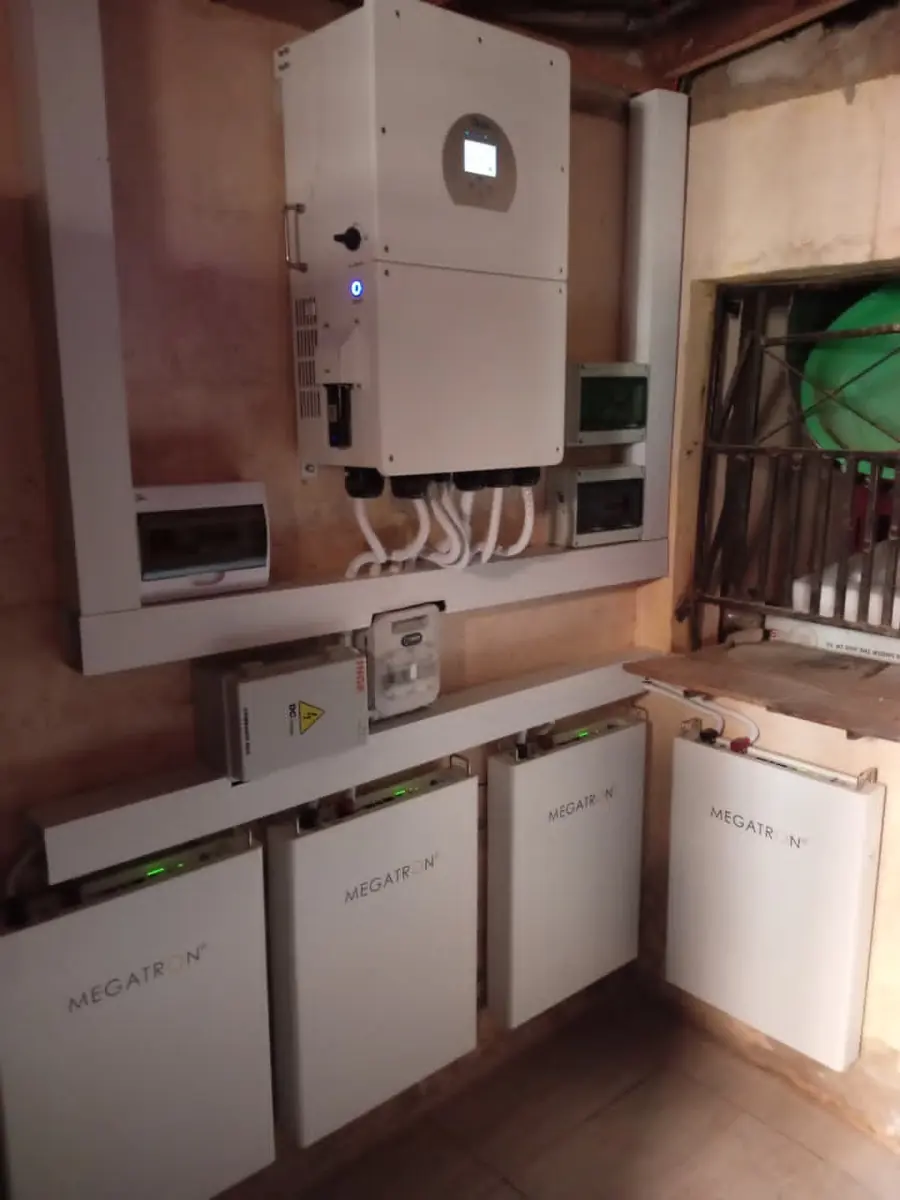
Wiring a new house in South Africa costs approximately R15,000 to R60,000 or more, depending on the size of the property, the number of plug points and lights, the type of electrical installation, labour costs, and the quality of materials used. Smaller homes may cost less, while large houses with multiple bathrooms, extensive lighting, electric appliances, and smart-home systems can exceed R100,000. These are indicative 2026 budgeting estimates, not fixed quotations, and the final cost depends on the electrical requirements of the property.
Understanding the cost of electrical wiring before construction begins helps homeowners plan their budgets, compare electrician quotations, and avoid unexpected expenses. Whether you are building a new three-bedroom house, rewiring an existing property, installing additional plug points, or obtaining an Electrical Certificate of Compliance (CoC), this guide explains the expected costs of electrical work in South Africa in 2026.
How much does it cost to wire a 3-bedroom house in South Africa?
Wiring a three-bedroom house in South Africa costs approximately R20,000 to R45,000 for a typical installation, although a basic installation may cost less and a premium installation can exceed R60,000. The final price depends on the floor area, the number of electrical points, the complexity of the wiring, the materials selected, and whether the quotation includes labour, testing, and certification.
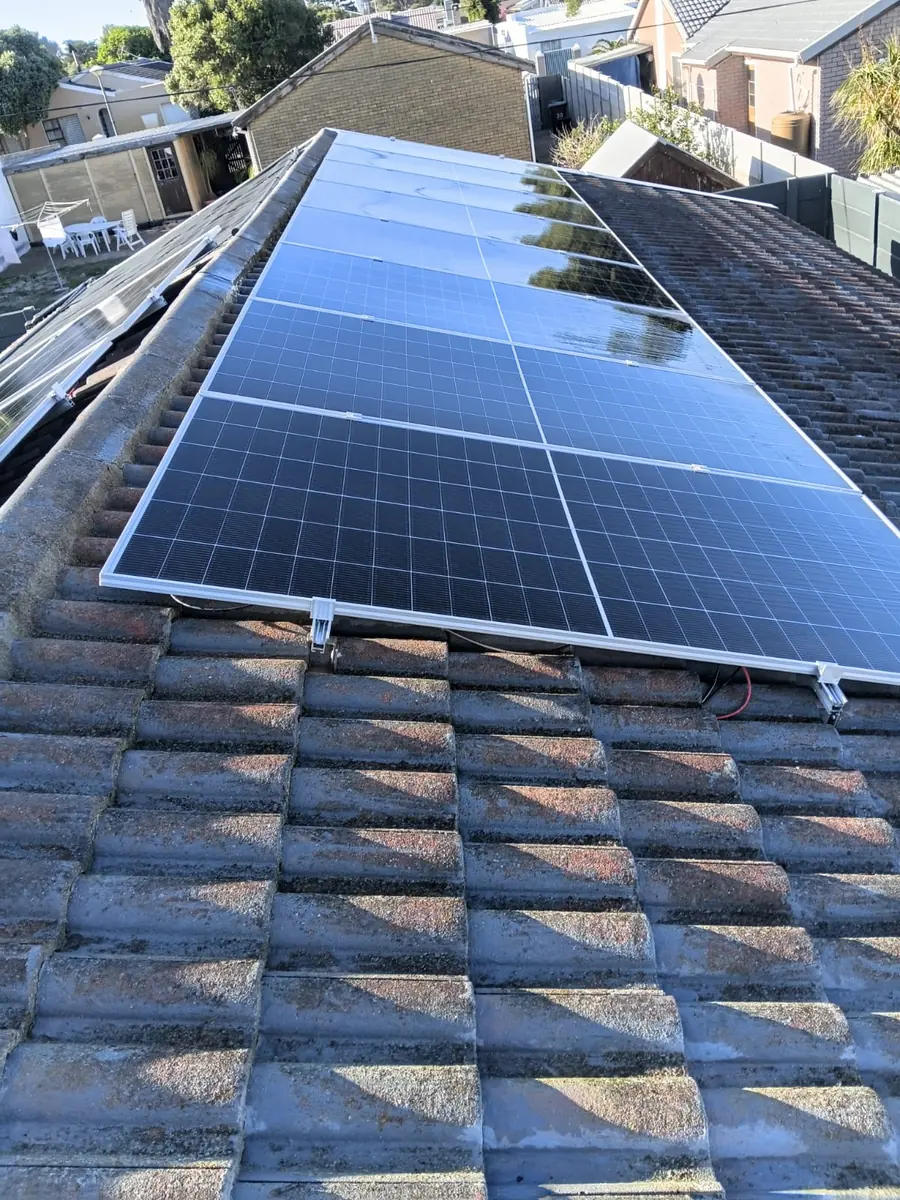
A standard three-bedroom home generally requires electrical wiring for bedrooms, a lounge, a kitchen, bathrooms, passageways, and outdoor areas. The kitchen often requires additional circuits for appliances, while the geyser, stove, and other high-power equipment may need dedicated electrical circuits.
Estimated wiring costs for a three-bedroom house
| Type of installation | Estimated cost |
|---|---|
| Basic electrical installation | R15,000–R22,000 |
| Standard three-bedroom house | R20,000–R45,000 |
| Premium installation | R45,000–R60,000+ |
| Large three-bedroom house with extensive electrical features | R60,000–R80,000+ |
These estimates are intended for initial budgeting. They are not verified market averages, and prices can vary significantly between contractors and locations.
What affects the cost of wiring a three-bedroom house?
Several factors determine the total cost of a new electrical installation.
1. Size and layout of the house
A larger house generally requires more cables, conduits, distribution equipment, and electrical points. A compact three-bedroom house may be less expensive to wire than a spacious property with an open-plan living area, an outdoor entertainment space, and a separate garage.
2. Number of plug points and light fittings
The number of plug points, switches, and lighting outlets directly affects labour and material costs. A home with additional kitchen sockets, bedside charging points, outdoor lights, and security lighting will generally cost more than a basic installation.
3. Electrical materials
The cost of electrical cable, conduits, distribution boards, circuit breakers, earth-leakage protection, switches, and sockets contributes to the overall budget. Quality materials suitable for the installation help support electrical safety and long-term reliability.
4. Special electrical requirements
Dedicated circuits for an electric stove, geyser, air conditioner, pool pump, or other high-power equipment can increase the installation cost. Solar power, inverter systems, backup batteries, and smart-home controls are usually additional items unless specifically included in the quotation.
5. Labour and certification
Electricians charge according to their experience, the complexity of the work, and the time required to complete the installation. Testing, inspection, and the required Certificate of Compliance should also be considered when comparing quotations.
For the most accurate estimate, ask an electrician to assess the building plans and prepare an itemised quotation that clearly separates labour, materials, testing, and certification.
How much does it cost to rewire an entire house in South Africa?
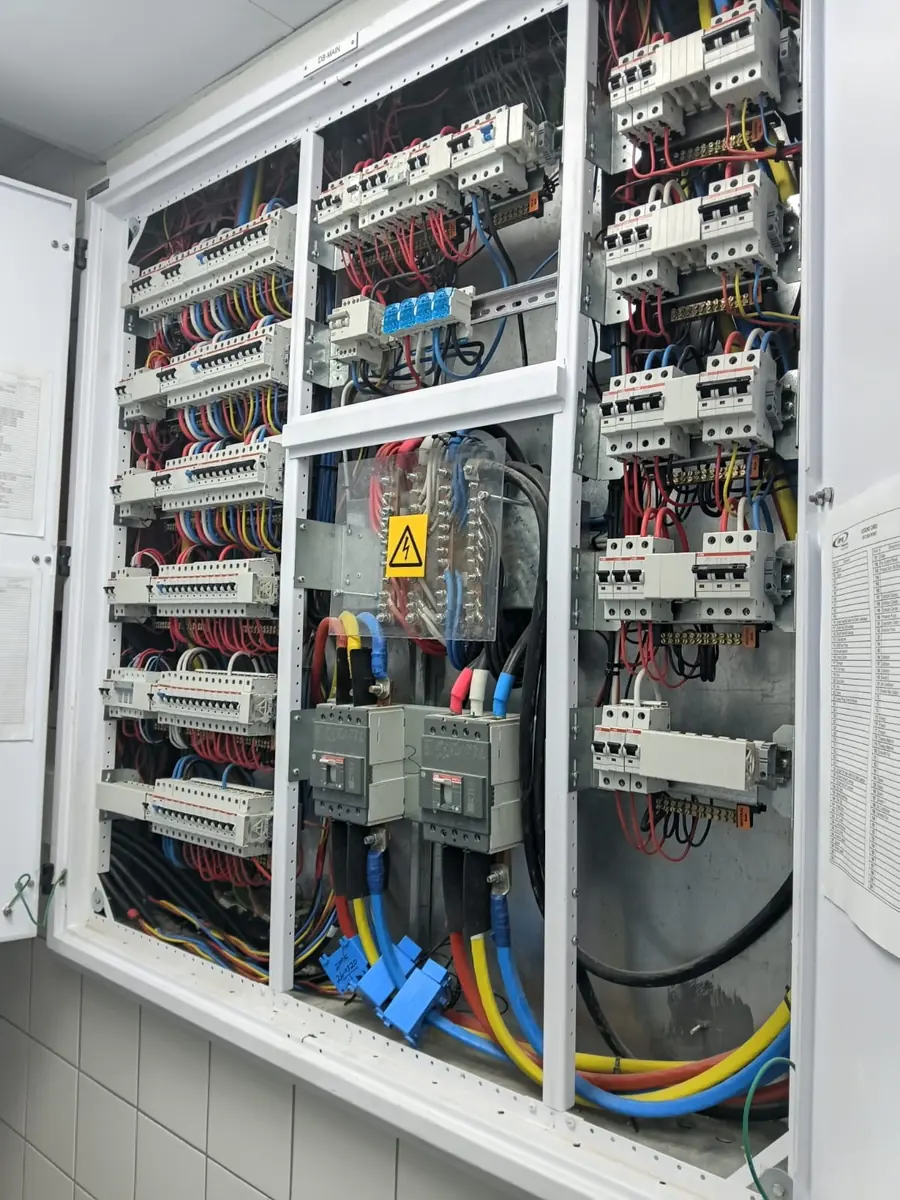
Rewiring an entire house in South Africa costs approximately R15,000 to R50,000 for many smaller to medium-sized properties, while larger homes or properties requiring extensive electrical upgrades can cost R60,000 to R100,000 or more. The cost depends on the size and age of the house, the condition of the existing wiring, accessibility, and whether walls, ceilings, or floors need to be opened to install new cables.
Rewiring differs from installing electrical wiring in a new house because the electrician may need to remove old cables, replace damaged accessories, upgrade the distribution board, and repair areas affected by the work.
Estimated whole-house rewiring costs
| Property size or condition | Estimated rewiring cost |
|---|---|
| Small house or flat | R10,000–R20,000 |
| Two-bedroom house | R15,000–R30,000 |
| Three-bedroom house | R20,000–R45,000 |
| Four-bedroom house | R30,000–R60,000 |
| Large or extensively upgraded house | R60,000–R100,000+ |
These are indicative estimates for planning purposes. Property size alone does not determine the price, and the figures may overlap because houses with the same number of bedrooms can have very different electrical requirements.
When does a house need rewiring?
An electrical installation may need rewiring when cables have deteriorated, electrical accessories are damaged, or the system cannot safely support the household's requirements. Warning signs include frequently tripping circuit breakers, burning smells near electrical fittings, discoloured sockets, damaged insulation, and repeatedly overheating plugs.
Older properties may also have outdated electrical installations that require assessment against applicable safety requirements. However, these symptoms do not automatically mean the entire house needs rewiring. A qualified electrician should inspect the installation and establish whether repairs, partial rewiring, or a complete replacement is necessary.
What is included in a house rewiring project?
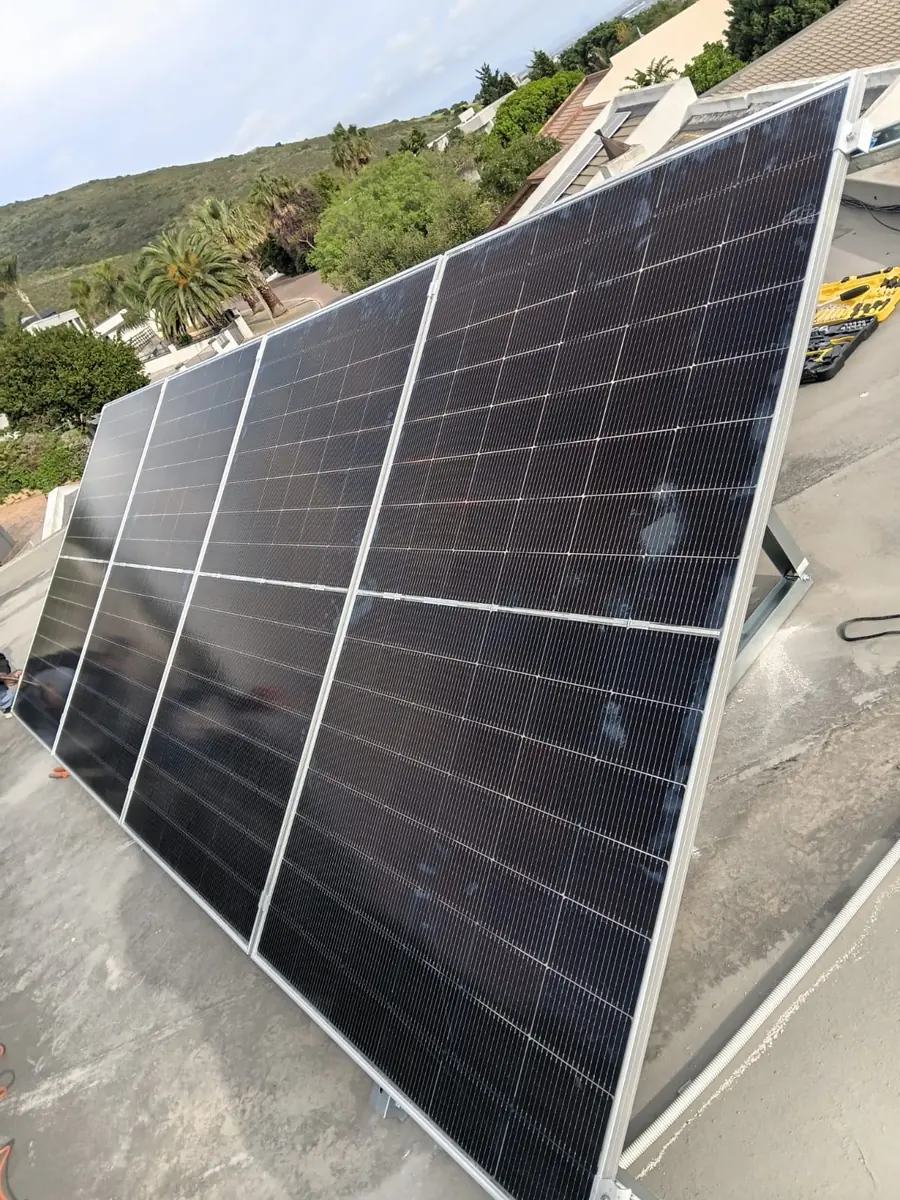
A complete rewiring project may include removing or isolating old wiring, installing new cables and conduits, replacing switches and plug points, upgrading the distribution board, installing appropriate protective devices, and testing the completed installation.
Some quotations include making good the walls and ceilings, while others exclude plastering, painting, and other building repairs. Homeowners should confirm these details before accepting a quotation.
Rewiring is also an opportunity to improve the layout of the electrical installation. For example, you can add more kitchen plug points, improve outdoor lighting, provide dedicated circuits for appliances, and plan for future solar or inverter equipment.
How much does an electrician charge per hour in South Africa?
An electrician in South Africa typically charges approximately R350 to R800 per hour for general electrical work, although rates can fall below or exceed this range depending on the contractor, location, specialisation, and complexity of the job. Some electricians charge a fixed fee per task rather than an hourly rate.
Hourly rates are useful when estimating the cost of fault-finding, minor repairs, and small electrical installations. However, a new-house wiring project is usually better priced through a detailed quotation because it involves materials, planning, installation, testing, and potentially several visits.
Estimated electrician labour rates in 2026
| Type of electrical service | Indicative price |
|---|---|
| General electrician, per hour | R350–R800 |
| Specialist or complex electrical work, per hour | R600–R1,000+ |
| Call-out fee | R300–R800 |
| Emergency or after-hours attendance | R600–R1,500+ |
| Basic electrical inspection | R500–R1,500+ |
These are indicative budgeting ranges rather than confirmed national averages. Call-out charges may be separate from labour, and some contractors deduct the call-out fee from the final invoice if the customer proceeds with the work.
What determines an electrician's hourly rate?
- Experience and qualifications: An experienced electrician with the appropriate registration and technical expertise may charge more than a contractor handling straightforward work.
- Location: Labour rates can differ between major cities, smaller towns, and remote areas. Travel time and transport costs may also affect the quotation.
- Job complexity: Diagnosing an intermittent electrical fault or working on a complex distribution board may require more expertise than replacing a standard switch.
- Urgency: Emergency repairs, weekend appointments, and after-hours work may attract higher charges.
- Materials and additional services: Cable, sockets, switches, circuit breakers, and other components may be billed separately from labour.
Before hiring an electrician, ask whether the hourly rate includes a call-out fee, whether there is a minimum charge, and whether materials and testing are included. For larger jobs, request a written quotation with a clear scope of work.
How much does it cost to install a plug point in South Africa?
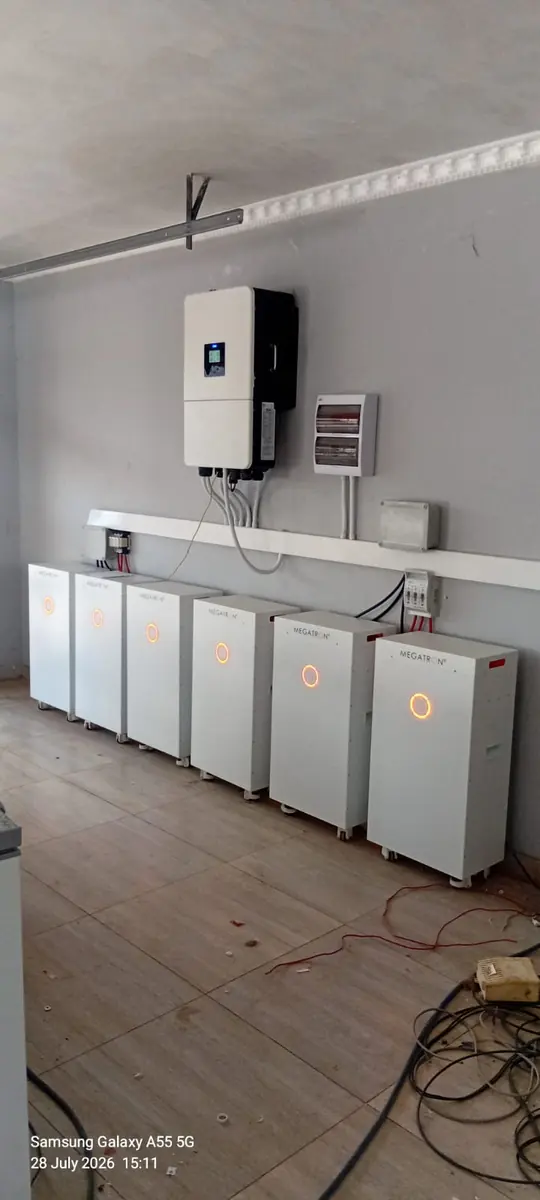
Installing a standard plug point in South Africa costs approximately R500 to R1,500 per point, depending on the distance from the existing circuit, the type of socket, the accessibility of the wiring, and whether new cables or wall modifications are required. A straightforward replacement or installation close to an existing suitable circuit may cost less, while a new circuit or a difficult installation can cost significantly more.
The price also depends on whether the electrician is adding a completely new plug point or replacing an existing socket. Replacing a socket is generally simpler than extending a circuit to another room.
Estimated plug point installation costs
| Type of work | Estimated cost per point |
|---|---|
| Replace an existing standard socket | R200–R500 |
| Install a new point near suitable existing wiring | R500–R1,000 |
| Install a point requiring extended wiring | R800–R1,500 |
| Install a point requiring substantial cable runs or building work | R1,500–R3,000+ |
| Install a dedicated circuit for a specific appliance | R1,500–R4,000+ |
These estimates are indicative and may exclude major wall repairs, decorative finishes, or upgrades to the distribution board.
Factors that affect plug point installation costs
The first factor is the distance between the proposed socket and the appropriate electrical supply. Longer cable runs require additional materials and labour.
The second factor is accessibility. Installing a socket in a building under construction is often easier than routing new cables through finished walls, tiled surfaces, or inaccessible ceiling spaces.
The third factor is the type of socket. A standard household socket may cost less to install than a specialised outlet or a point designed for a particular appliance.
The fourth factor is circuit capacity and safety. An electrician must establish whether the existing circuit can accommodate the additional load. If the circuit is unsuitable, a new circuit or other upgrades may be necessary.
Homeowners planning several additional plug points should ask for a combined quotation. Having multiple points installed during one visit may reduce the overall cost compared with arranging separate appointments.
Never add plug points by simply connecting them to any available cable without checking the circuit's capacity and protective devices. All electrical work should be completed by a suitably qualified professional in accordance with applicable South African requirements.
How much does an electrical Certificate of Compliance (CoC) cost in South Africa?
An electrical Certificate of Compliance (CoC) in South Africa typically costs approximately R1,000 to R3,000 for an inspection and certification of a relatively straightforward residential installation, while larger properties, complex installations, or installations requiring repairs may cost R3,000 to R6,000 or more in total. The price depends on the size of the property, the scope of the inspection, the condition of the electrical system, and the cost of any remedial work.
A CoC confirms that the electrical installation covered by the certificate has been inspected and complies with the applicable requirements. It is an important part of electrical safety and is commonly required in property sales and certain other transactions.
Estimated electrical CoC costs
| Service | Indicative cost |
|---|---|
| Basic residential CoC inspection and certification | R1,000–R2,000 |
| Standard house inspection and certification | R1,500–R3,000 |
| Larger or more complex residential installation | R3,000–R6,000+ |
| Minor repairs identified during inspection | Additional cost |
| Major electrical repairs or remedial work | Quoted separately |
These figures are budgeting estimates, not prescribed fees. The certificate itself, the inspection, and any repairs may be priced separately, so homeowners should establish exactly what the quotation covers.
What does an electrical CoC inspection involve?
An electrical inspection generally involves checking relevant parts of the installation, including the distribution board, wiring, socket outlets, earthing, bonding, protective devices, and other components within the inspection scope. Testing is carried out to establish whether the installation meets the applicable safety requirements.
If defects are identified, the electrician may provide a list of corrective work required before certification can be issued. The cost of this work depends on the nature and extent of the defects.
For example, replacing a damaged socket or correcting a minor wiring fault may be relatively inexpensive. Replacing deteriorated cables, upgrading a distribution board, or correcting widespread earthing problems can be substantially more expensive.
When do you need an electrical CoC?
A CoC may be required when a new electrical installation is completed, when an existing installation is altered or extended, and in property transactions where the applicable requirements call for certification. Homeowners should confirm the precise certification requirements for their circumstances with a registered electrical contractor.
An existing certificate does not automatically mean that every later modification is covered. Electrical changes and additions must be dealt with in accordance with the relevant regulations.
When requesting a CoC quotation, ask whether the inspection, testing, certificate, and any follow-up inspection are included. Also confirm that the person issuing the certificate is appropriately registered and authorised to do so.
Additional factors that affect the cost of wiring a new house in South Africa
Although the size of a property is an important consideration, several other factors can significantly influence the cost of electrical wiring in 2026.
1. Cost of electrical materials
Electrical cables, conduits, distribution boards, circuit breakers, earth-leakage protection devices, switches, and sockets all contribute to the final installation cost. Material prices vary by brand, specification, supplier, and quantity required.
2. Labour costs
Labour costs depend on the electrician's experience, the installation's complexity, the project's location, and the time needed to complete the work. New construction can make cable routing easier, whereas alterations to completed buildings may require additional labour.
3. Type of electrical installation
A basic installation with standard lighting and plug points generally costs less than one featuring recessed lighting, outdoor security lights, multiple appliance circuits, and smart-home controls.
4. Size of the distribution board
The distribution board houses the protective devices that help manage and protect electrical circuits. The number of circuits required, the equipment installed, and any future expansion plans can influence its size and cost.
5. Testing and certification
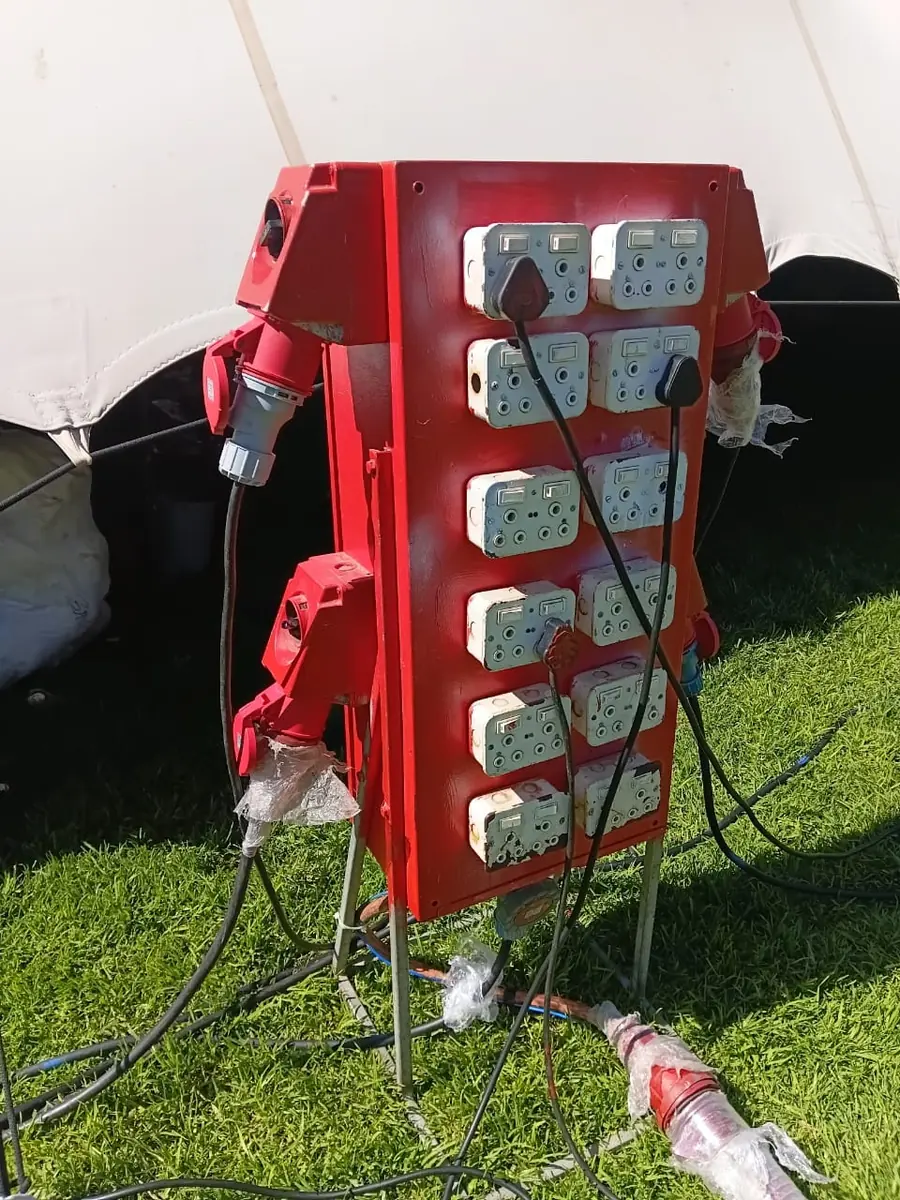
Testing and the applicable Certificate of Compliance should be considered when budgeting for a new installation. Confirm whether these services are included in the electrician's quotation or charged separately.
How to budget for electrical wiring in a new house
The best way to control electrical installation costs is to plan the work before construction reaches the wiring stage.
- Prepare an electrical layout: Mark the positions of lights, switches, plug points, appliances, and outdoor electrical features before installation begins.
- Request itemised quotations: Compare the cost of materials, labour, distribution equipment, testing, and certification separately.
- Choose suitable materials: Use materials appropriate for the installation rather than selecting components based on price alone.
- Plan for future needs: Consider additional sockets, air conditioning, solar power, inverter systems, and other requirements before walls and ceilings are finished.
- Confirm exclusions: Ask whether plastering, painting, light fittings, appliances, and building repairs are included.
- Use a qualified electrical contractor: Proper installation, testing, and certification help reduce the risk of electrical faults and expensive rework.
A written quotation based on the actual building plans will provide a more reliable estimate than a general price per bedroom.
Frequently asked questions about electrical wiring costs in South Africa
1. How long does it take to wire a new house in South Africa?
Wiring a typical three-bedroom house may take approximately three to seven working days, depending on the building's size, the number of electrical points, the availability of materials, and the complexity of the installation. Larger properties or projects involving specialised systems may take longer. This estimate covers the wiring work itself, not necessarily the entire construction process. Testing, inspections, and coordination with other building trades can extend the overall timeline.
2. Is electrical wiring included in the cost of building a house in South Africa?
Electrical wiring may be included in a building contractor's overall construction quotation, but this depends on the contract. Some builders include the complete electrical installation, while others provide only a provisional allowance or exclude certain fittings and equipment. Before signing a building contract, confirm whether cables, plug points, switches, light fittings, the distribution board, testing, and the CoC are included. This helps prevent unexpected expenses during construction.
3. Is it cheaper to wire a new house than to rewire an old house?
In many cases, wiring a new house is cheaper because cables can be installed while walls, ceilings, and floors are still accessible. Rewiring an existing property may require removing old cables, opening walls, working around existing finishes, and repairing damaged surfaces. However, the actual cost depends on the condition of the property and the complexity of the installation. A new house with extensive electrical features can still cost more than rewiring a small, straightforward property.
4. Can I buy electrical materials myself to reduce wiring costs?
Yes, some homeowners purchase electrical materials separately, provided the electrician agrees to the arrangement and the materials meet the required specifications. However, buying materials independently does not always reduce the overall cost. An electrician may be able to obtain suitable materials at competitive prices and can ensure that the correct cable sizes, protective devices, and accessories are selected. Discuss the materials list with your contractor before purchasing anything, and clarify who is responsible for defective or unsuitable products.
5. Does a new house need an electrical Certificate of Compliance?
A new electrical installation must meet the applicable South African electrical safety requirements, and the required CoC must be issued by an appropriately registered and authorised electrical contractor before the installation is put into service as required by law. The certificate confirms compliance within its scope; it is not simply a document stating that wiring has been installed. Homeowners should retain the certificate and related documentation for their records and confirm that any later electrical alterations are properly addressed.
6. How can I get an accurate electrical wiring quotation in South Africa?
To obtain an accurate quotation, provide the electrician with the building plans, floor area, number of rooms, expected plug points, lighting requirements, and details of major appliances. Mention any plans for solar power, an inverter, a generator, or other specialised equipment. Ask for an itemised quotation covering labour, materials, the distribution board, testing, and certification. Comparing at least two or three quotations with the same scope of work makes it easier to assess prices fairly without compromising on safety or quality.
Conclusion
The cost of wiring a new house in South Africa in 2026 generally ranges from approximately R15,000 to R60,000 or more, with a typical three-bedroom home often requiring a budget of R20,000 to R45,000. Rewiring an existing house may cost R15,000 to R50,000 for many smaller and medium-sized properties, while electrician hourly rates, plug point installation, and electrical CoC costs vary according to the work involved.
The final price depends on the size and layout of the property, electrical materials, labour, the number of plug points and lighting outlets, the distribution board, and any specialised requirements. Homeowners should request detailed quotations, plan their electrical layouts early, and confirm that testing and the necessary certification are included.
Most importantly, electrical work should be completed by a suitably qualified and appropriately registered professional. Choosing a contractor based on the full scope of work, safety, and workmanship rather than the lowest price alone can help protect your property and prevent costly electrical problems in the future.
Need professional electrical wiring services in South Africa?
BITO ELECTRICAL provides professional electrical wiring services for new houses, residential electrical installations, rewiring projects, plug point installations, electrical fault finding, and electrical Certificate of Compliance requirements. Whether you are building a new home or upgrading an existing electrical installation, the team can help you understand your requirements and obtain a quotation suited to your project.
Contact BITO ELECTRICAL on +27 78 324 0147 to discuss your new-house wiring requirements, arrange an assessment, and request a quotation for your electrical installation.